Culinary Atlas · Mexico
Mexico City
Maize communities, public markets and neighborhood food tables belong in the same city. Follow the ingredients from Topilejo and Milpa Alta to tortillas, salsas, tortas and other meals.
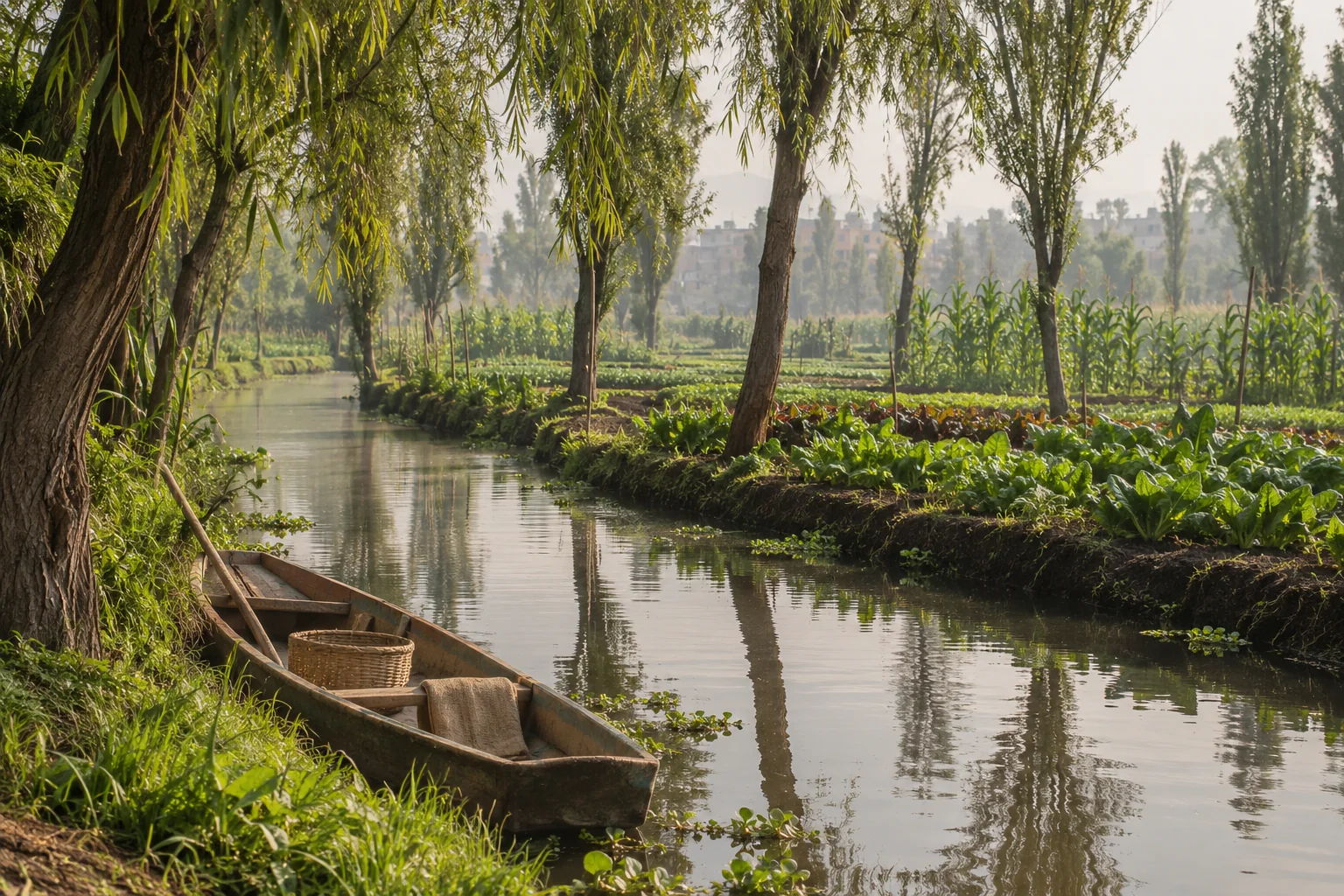
A city with an agricultural landscape
UNESCO’s Historic Centre of Mexico City and Xochimilco account places the colonial center over the earlier city of Tenochtitlan and recognizes Xochimilco’s canals and agricultural structures. The paired heritage record helps introduce a capital that contains both densely built streets and food-growing landscapes.
A culinary visit becomes richer when it includes the ingredients’ routes as well as the finished restaurant plate. Fields, milling, transport, markets and home kitchens do different work. No single meal represents every neighborhood or community in the city.
Meet a tortilla maker in Topilejo
Agricultura’s 2025 tortilla account introduces Angelina Espinoza Fuentes, a maize and tortilla producer from San Miguel Topilejo in Tlalpan. Its program follows the grain through nixtamalization and milling into masa.
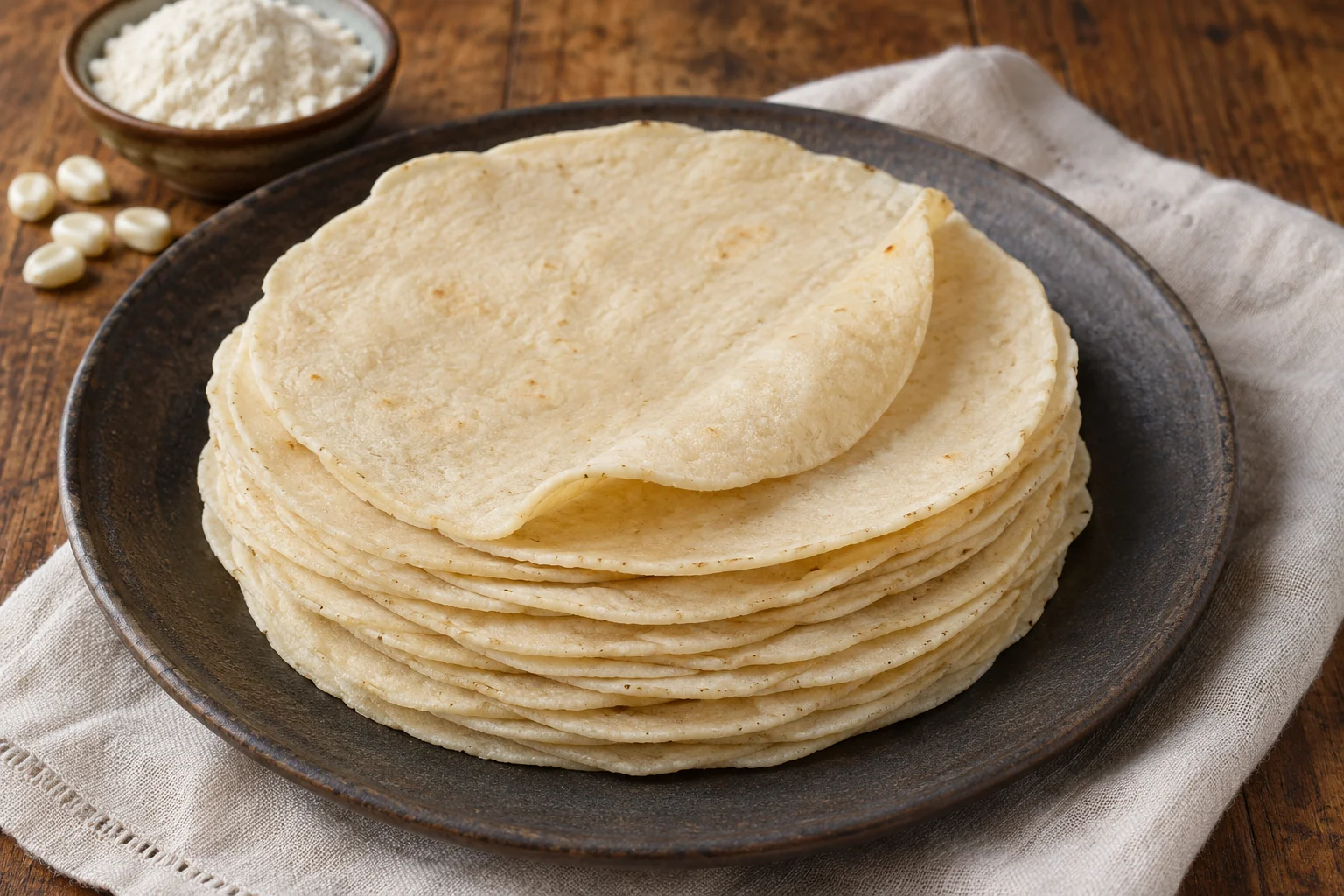
Her named example gives the corn tortilla a person and locality, rather than treating it only as a wrapper. Read the Corn Tortilla story, identify masa harina, and make small tortillas at home. That recipe begins with prepared flour; it does not reproduce the entire grain-processing sequence.
Milpa Alta’s market connects provisions and meals
Secretaría de Turismo’s market account describes the Benito Juárez market in Villa Milpa Alta through maize, beans, masa, tortillas, tamal flour, produce, prepared foods and cooking tools. These are related businesses and tasks, not just a list of things to sample.
A bag of dry beans and a bowl of ready-to-eat beans require different choices from the buyer. So do masa and a stack of cooked tortillas. Follow our pantry guides and prepared foundations to recognize where a recipe begins.
A Tláhuac cooking detail changes the salsa
In Ricardo Muñoz Zurita’s cooked-green-salsa account, cooks in Tláhuac start the chiles before adding the tomatillos. The detail gives a specific example of practical knowledge behind a familiar bowl.
Our Salsa Verde uses that sequence with its own proportions and a blended aromatic finish. The Salsa story and nine-method comparison separate raw, cooked, roasted and fried preparations. A shared green color does not make those methods identical.
The roll and the crisp tortilla offer different meals
Larousse’s torta entry describes the bread and fillings familiar at Mexico City tables, while its tostada account follows crisp tortilla preparations. Both lead into complete meals, with different concerns about moisture and structure.
Cook our ham, cheese and avocado tortas or chicken-and-bean tostadas. Read the accompanying Torta and Tostada stories, then continue to Puebla and Jalisco for distinct regional examples.
A sweet serving has people and work behind it
El Moro’s own history dates its Mexico City churrería to 1935 and connects it with Francisco Iriarte. It is a named business’s account, rather than proof of where all churros began.
Read our Churro story and make the separate home cinnamon-sugar recipe. The cooking instructions belong to that recipe, not to El Moro’s kitchen. For a cool drink, explore Horchata and its rice-and-cinnamon story.
Choose your next route
The maize table leads to Tamales Rojos, Elote and their tamale and fresh-corn stories. The different forms of grain require their own methods.
For a brothy meal, make Pozole Rojo and read its story. For filled chiles or a red cooked filling, continue through Chiles Rellenos and Tinga to Puebla. Our Michelada story offers a separate drink comparison. Each route returns to the complete recipe so the reading can end with a meal.
Sources and further reading
- UNESCO: Historic Centre of Mexico City and Xochimilco — Historic urban and agricultural landscapes.
- Secretaría de Agricultura: Del maíz a la tortilla, 2025 — Angelina Espinoza Fuentes and Topilejo.
- Secretaría de Turismo: Los mercados de México — Villa Milpa Alta market and its provisions.
- Ricardo Muñoz Zurita / Larousse: Salsa verde cocida — Attributed Tláhuac sequence.
- Larousse: Torta — Bread and filling forms.
- Larousse: Tostada — Regional crisp-tortilla preparations.
- El Moro: History — The business’s own account, kept distinct from a universal churro origin.
Have a source or cooking detail to add? Send a correction.