The pantry · keep on hand
Kitchen Essentials
Find the dry and packaged ingredients that can wait on the shelf until a recipe calls for them. Check each product’s own storage directions.
Dried chiles
The whole pod tells you more than a generic red powder. Choose the dried chile a recipe names, then check that it smells sound and shows no mold.
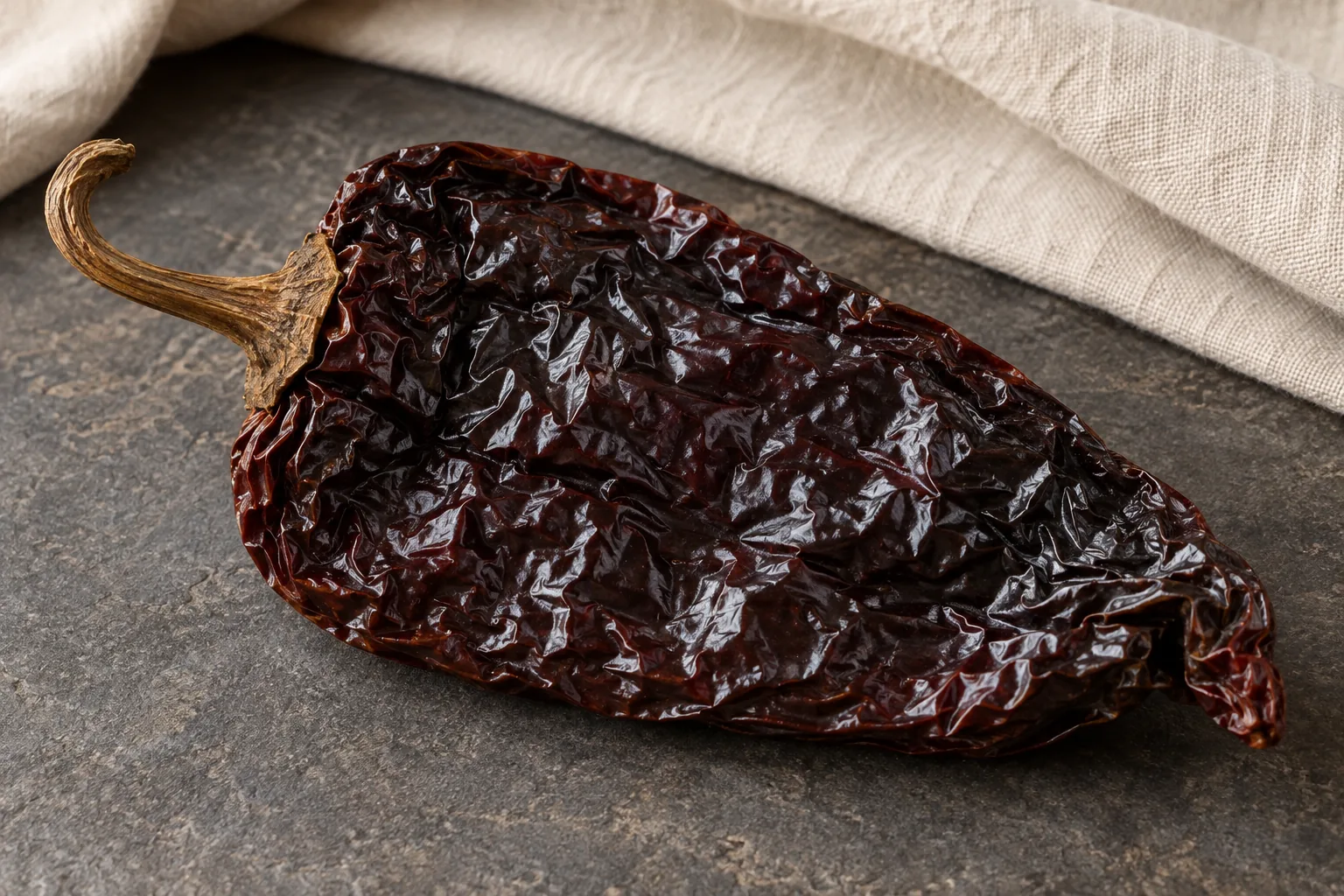
Ancho chile
A dried ripe poblano: broad, dark, and useful for depth in a sauce. It is not the long, narrow pasilla, even though market labels sometimes confuse them.
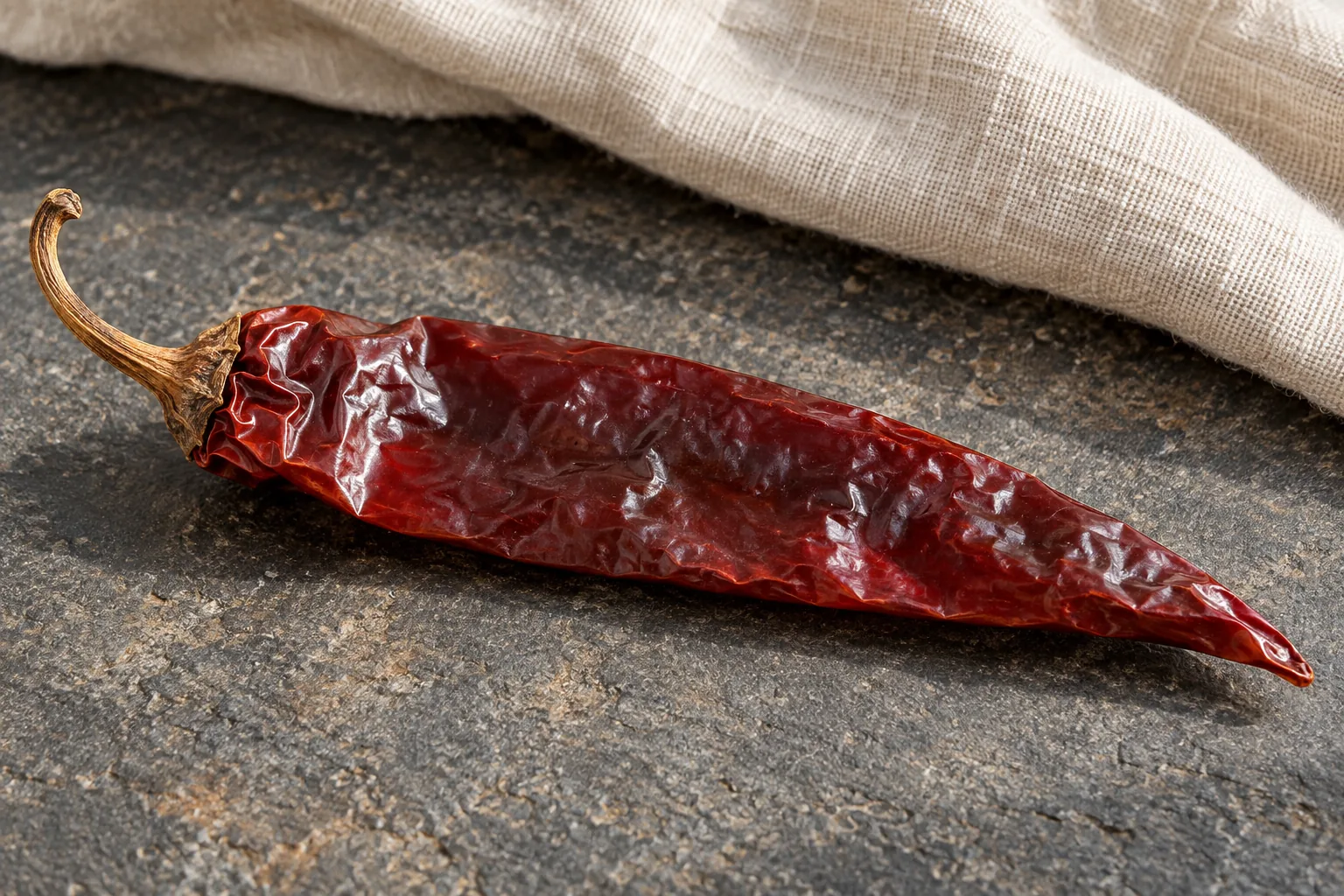
Guajillo chile
A dried mirasol chile with smooth red skin. It lends color and chile flavor to a blended sauce; remove stem and seeds and soften according to the recipe.
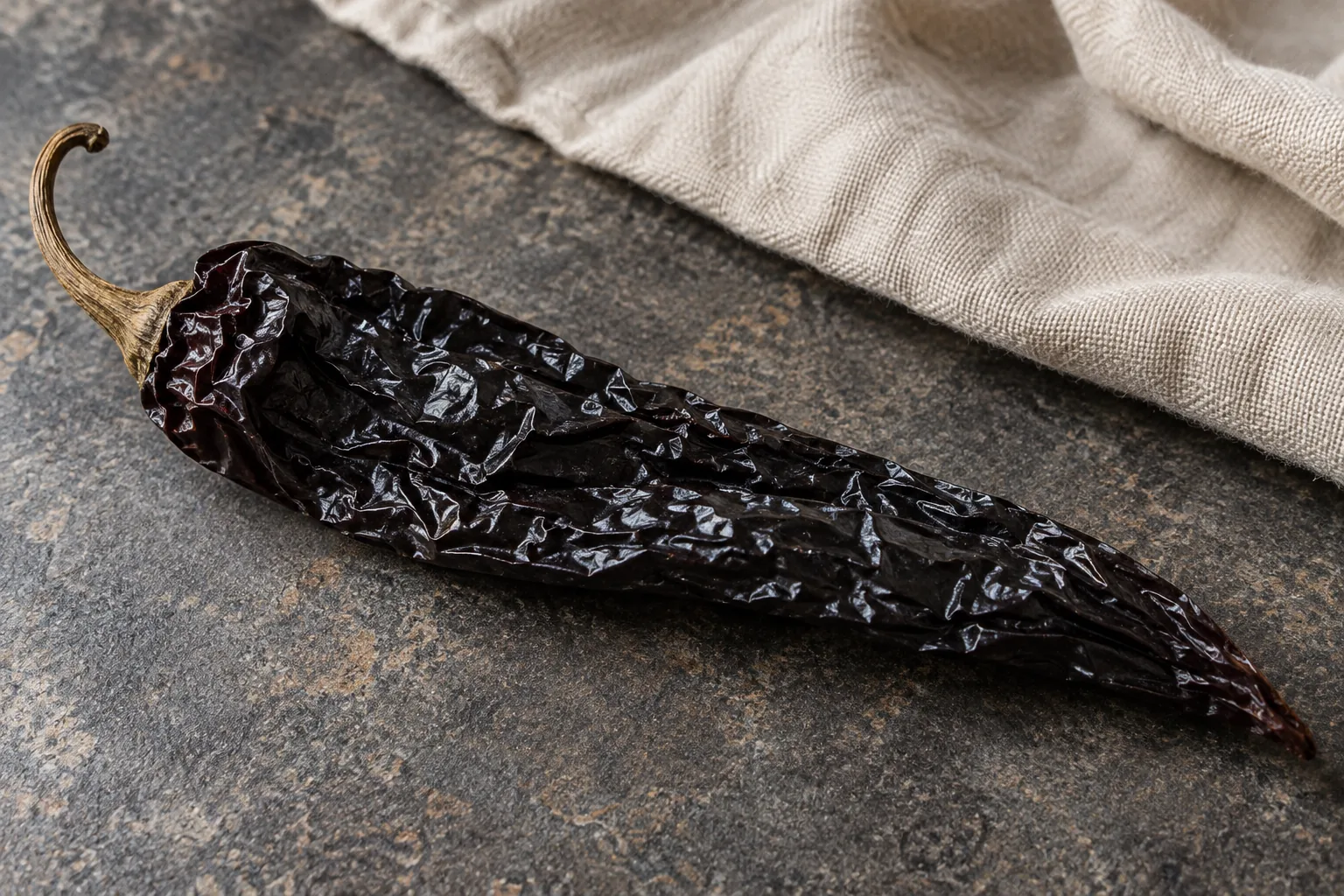
Pasilla chile
Usually the dried chilaca: long, narrow, dark, and wrinkled. Do not substitute it automatically for a broad ancho simply because a package uses overlapping names.
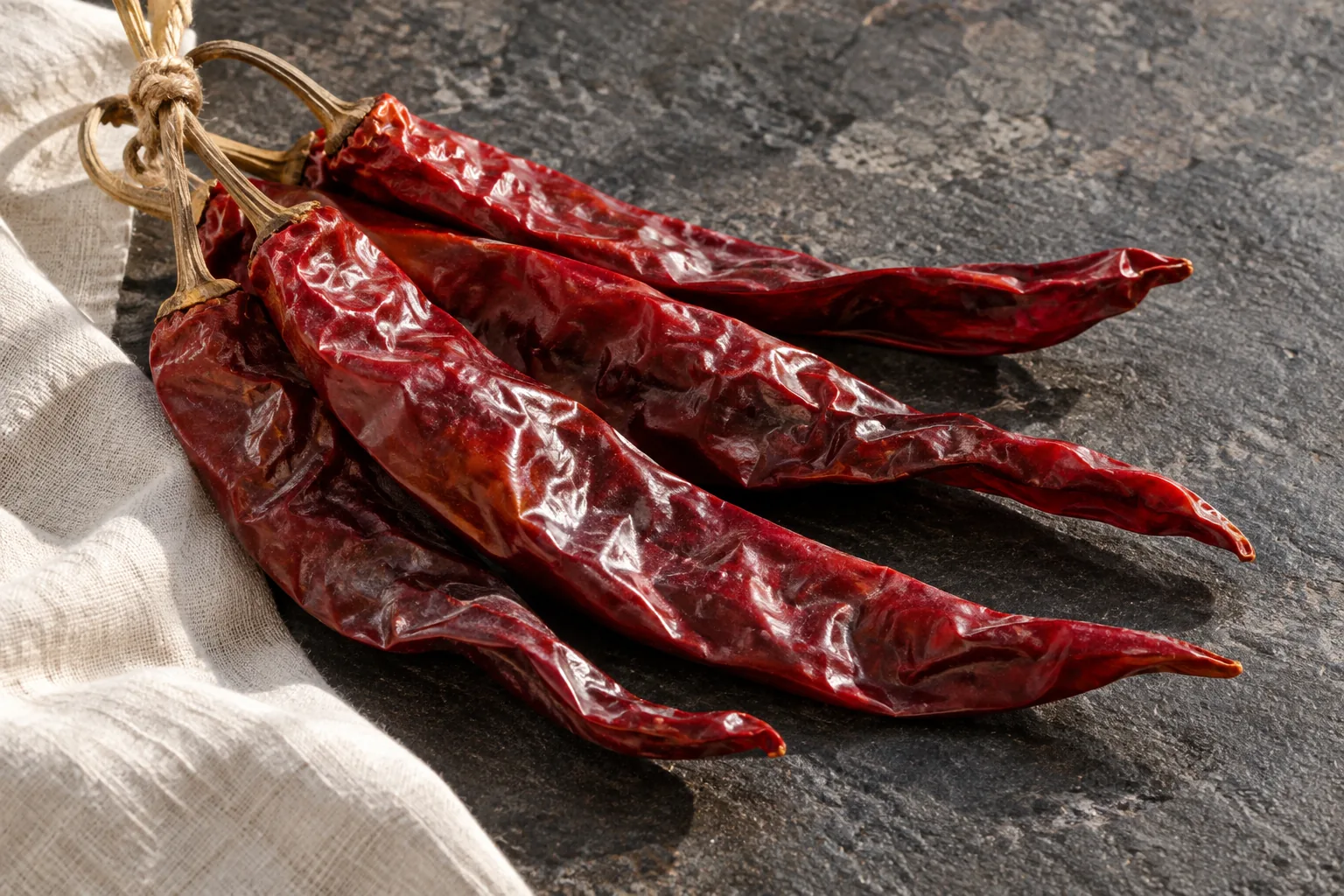
Red chile / chile colorado
A descriptive name for ripe red chile or products made from it, not one cultivar. Check whether a recipe calls for whole dried pods, ground chile, or a prepared red sauce.
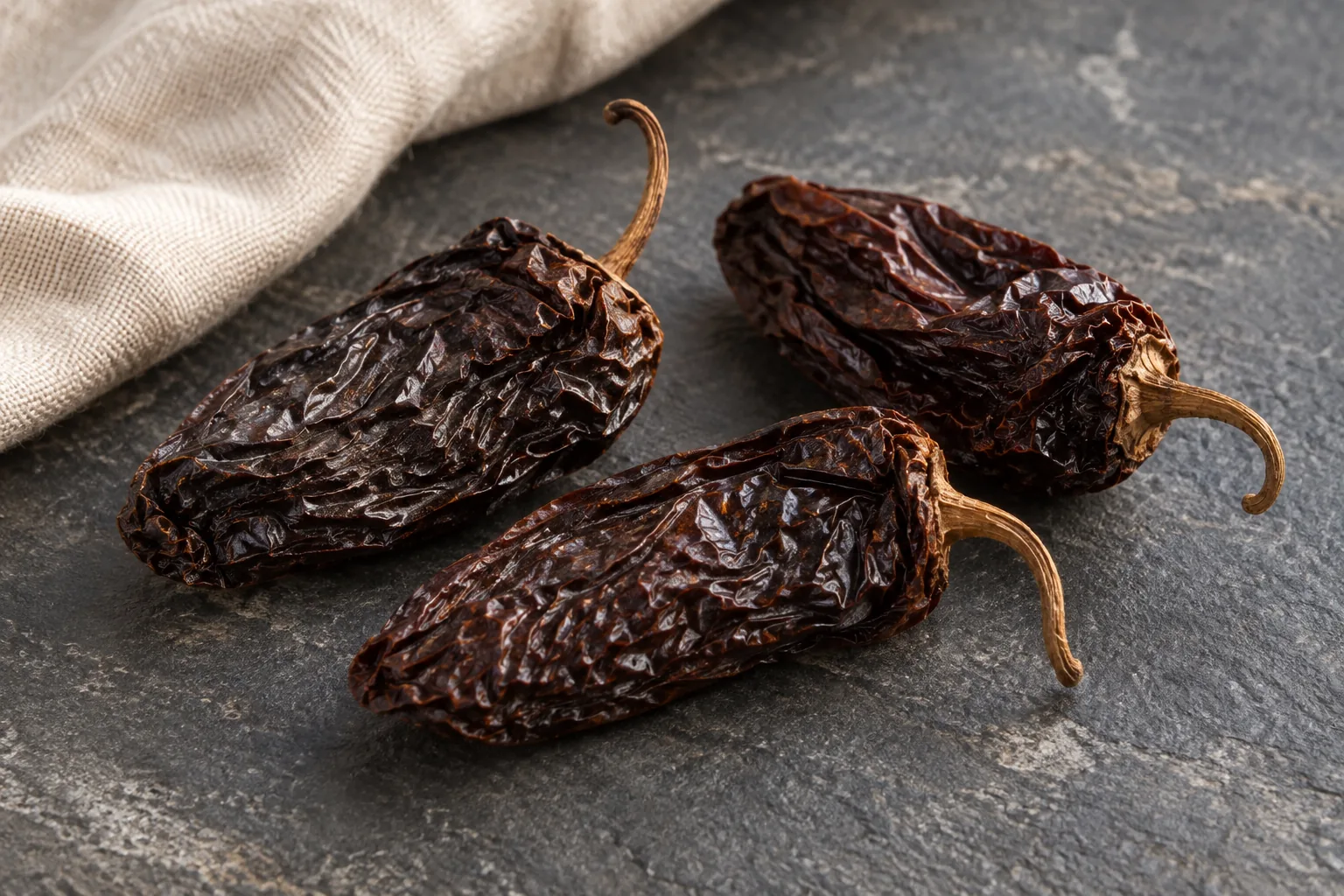
Chipotle
A smoked, dried jalapeño. Whole dry chipotles and chipotles packed in adobo bring different moisture and seasonings, so follow the form specified by the recipe.
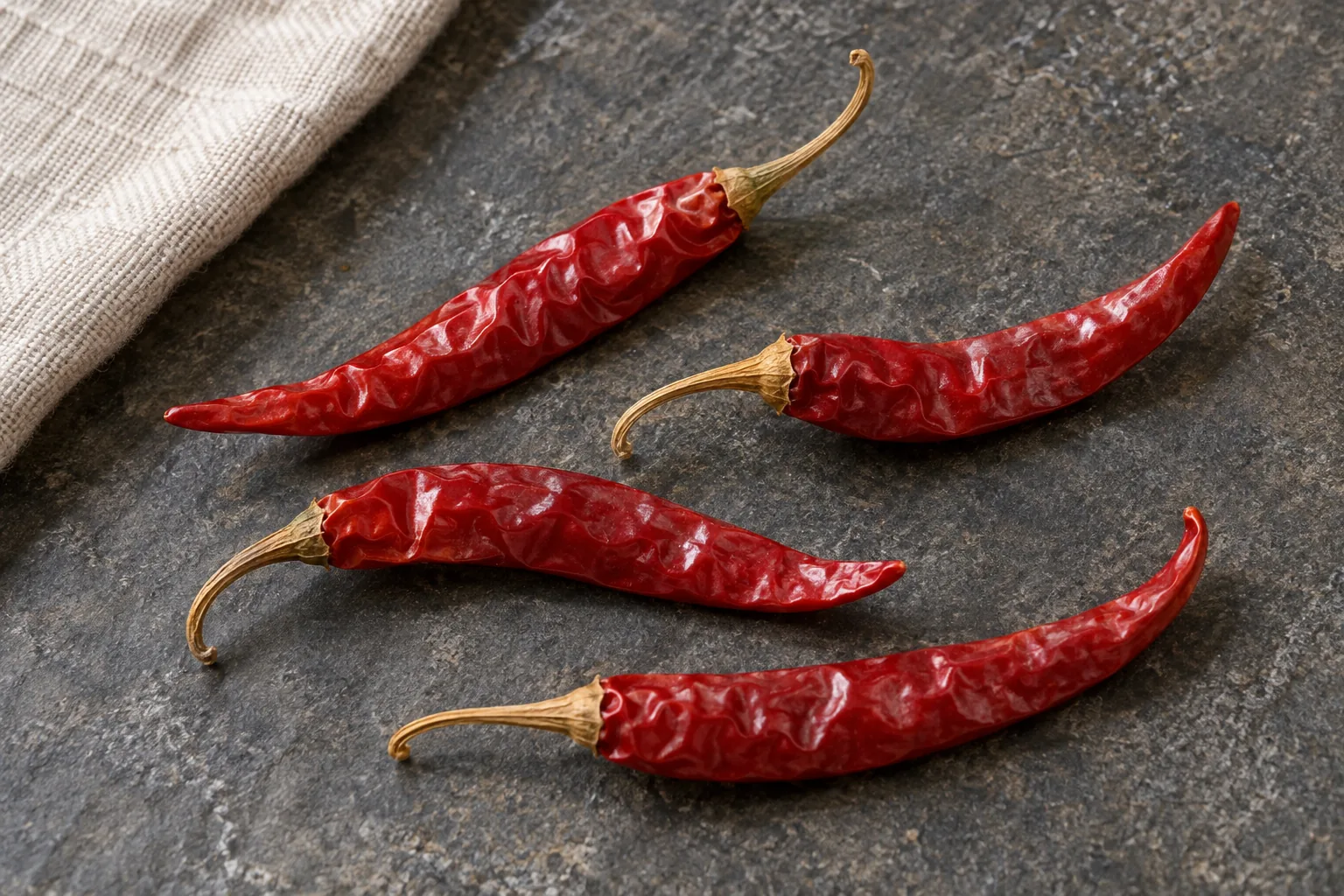
Chile de árbol
A slim dried red chile that brings direct heat to a sauce or finishing oil. Use the number and preparation specified by a recipe; tiny pods can vary in strength.
Dried herbs and spices
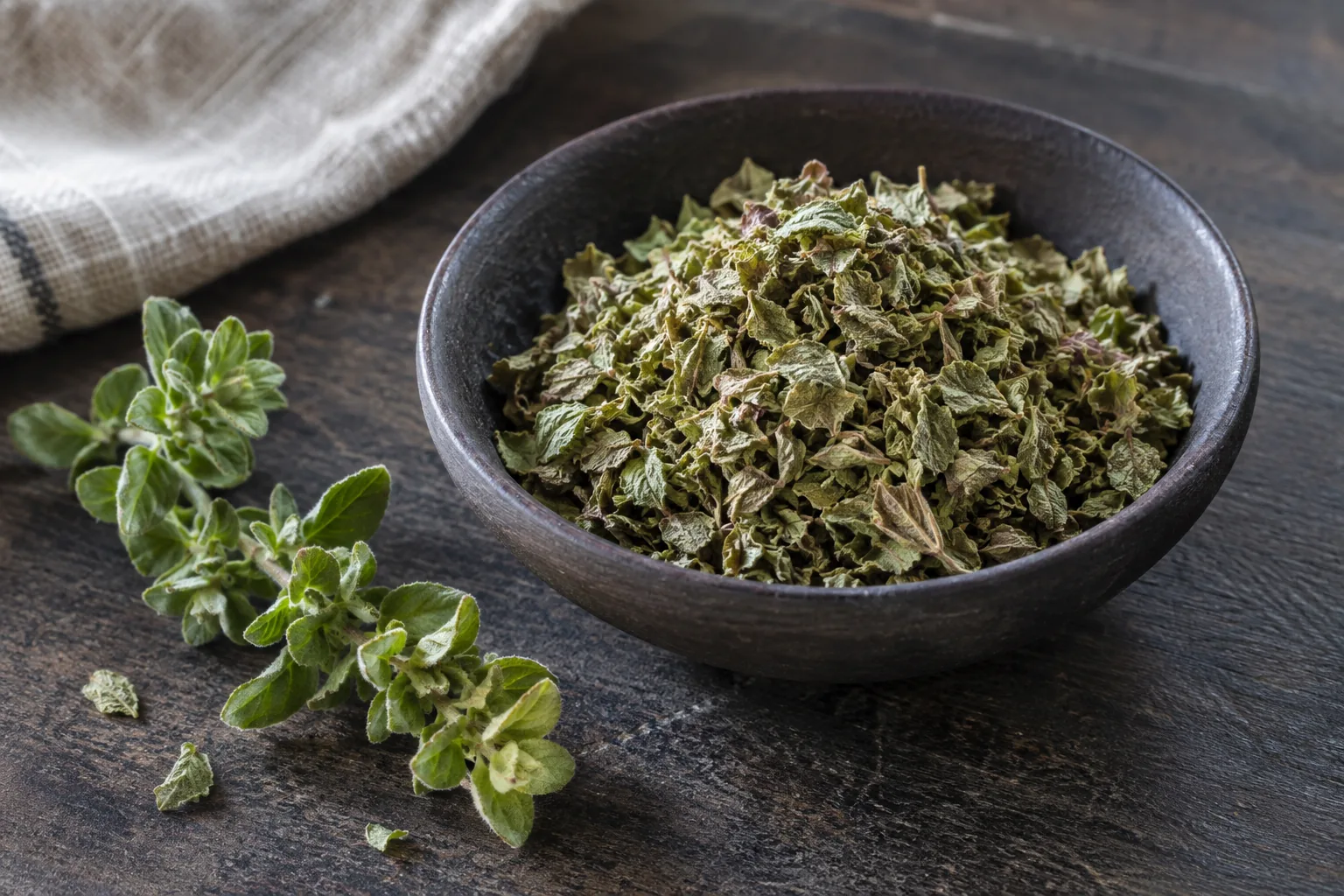
Mexican oregano
A dried herb with a different botanical lineage and aroma from common Mediterranean oregano. Crush a little when you use it; measure for the dish rather than swapping by habit.
Dry corn and wrapping materials
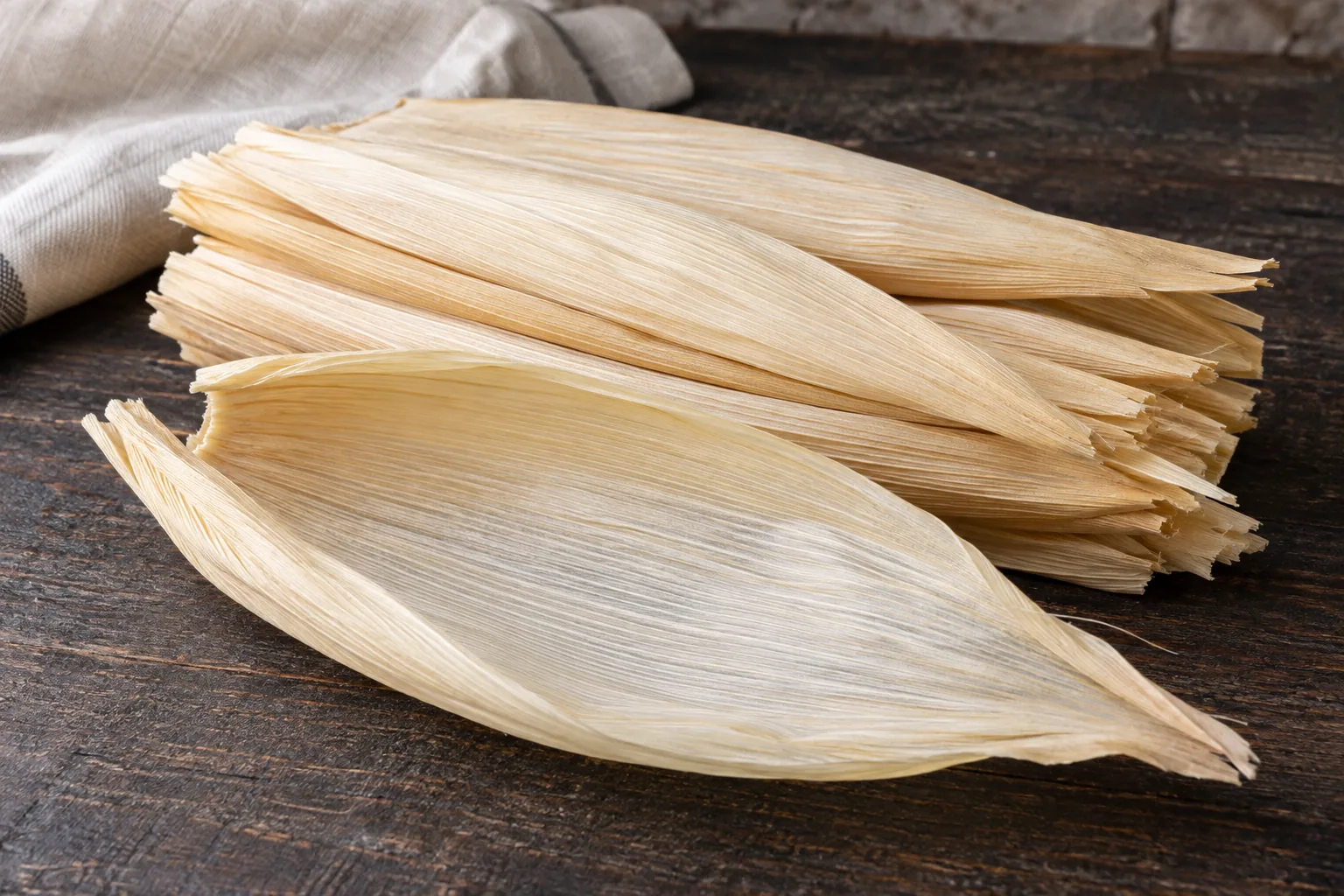
Corn husks / hojas
Dried corn husks can hold masa while a tamal cooks. They are wrappers, not the edible filling; clean and soften them as a particular tamal recipe directs.
Fats and sweeteners
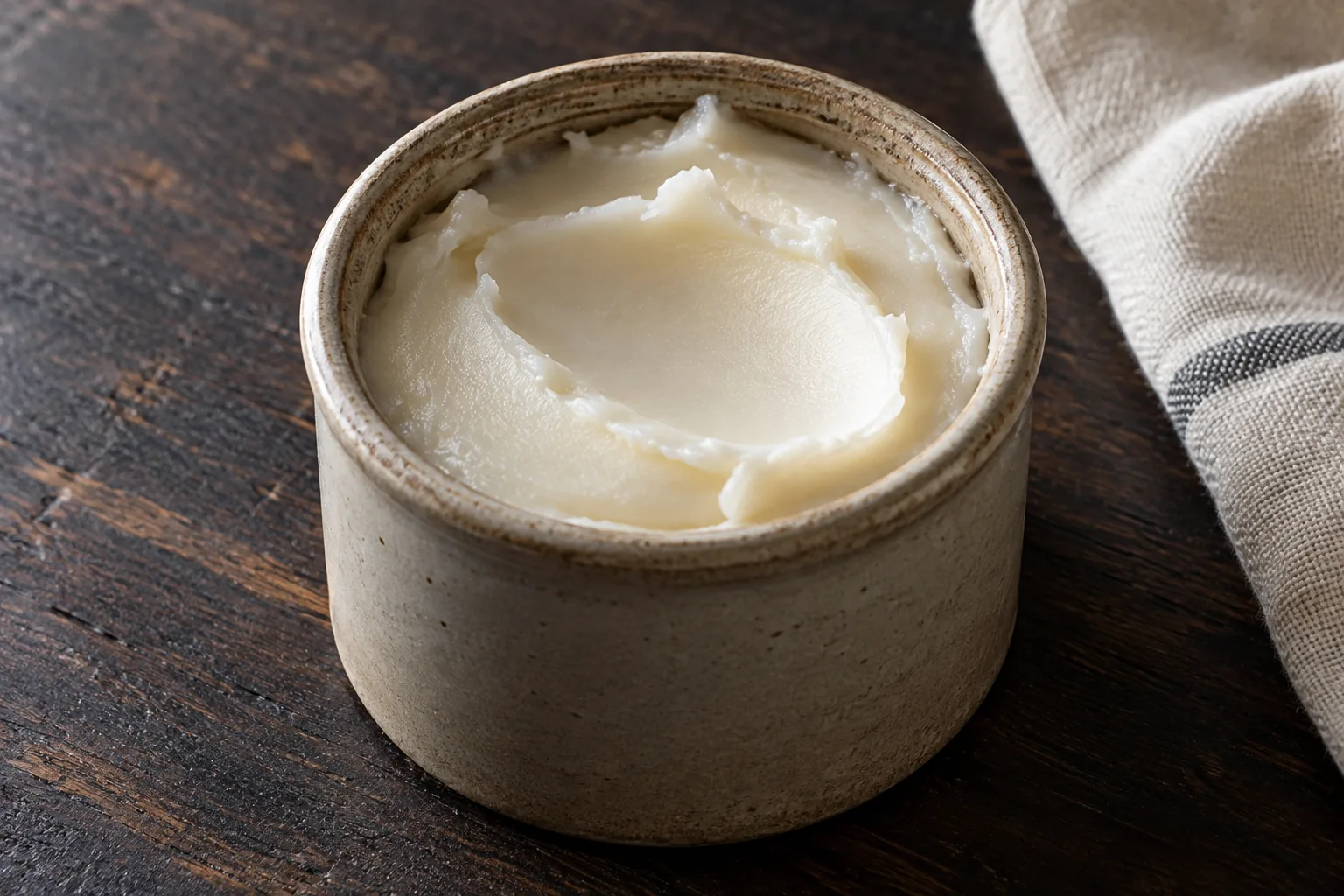
Lard
Rendered pork fat used in some tortillas, tamales, beans, and fried preparations. Freshly rendered and packaged products differ; follow the product’s storage directions and do not assume a blanket health or shelf-life advantage.
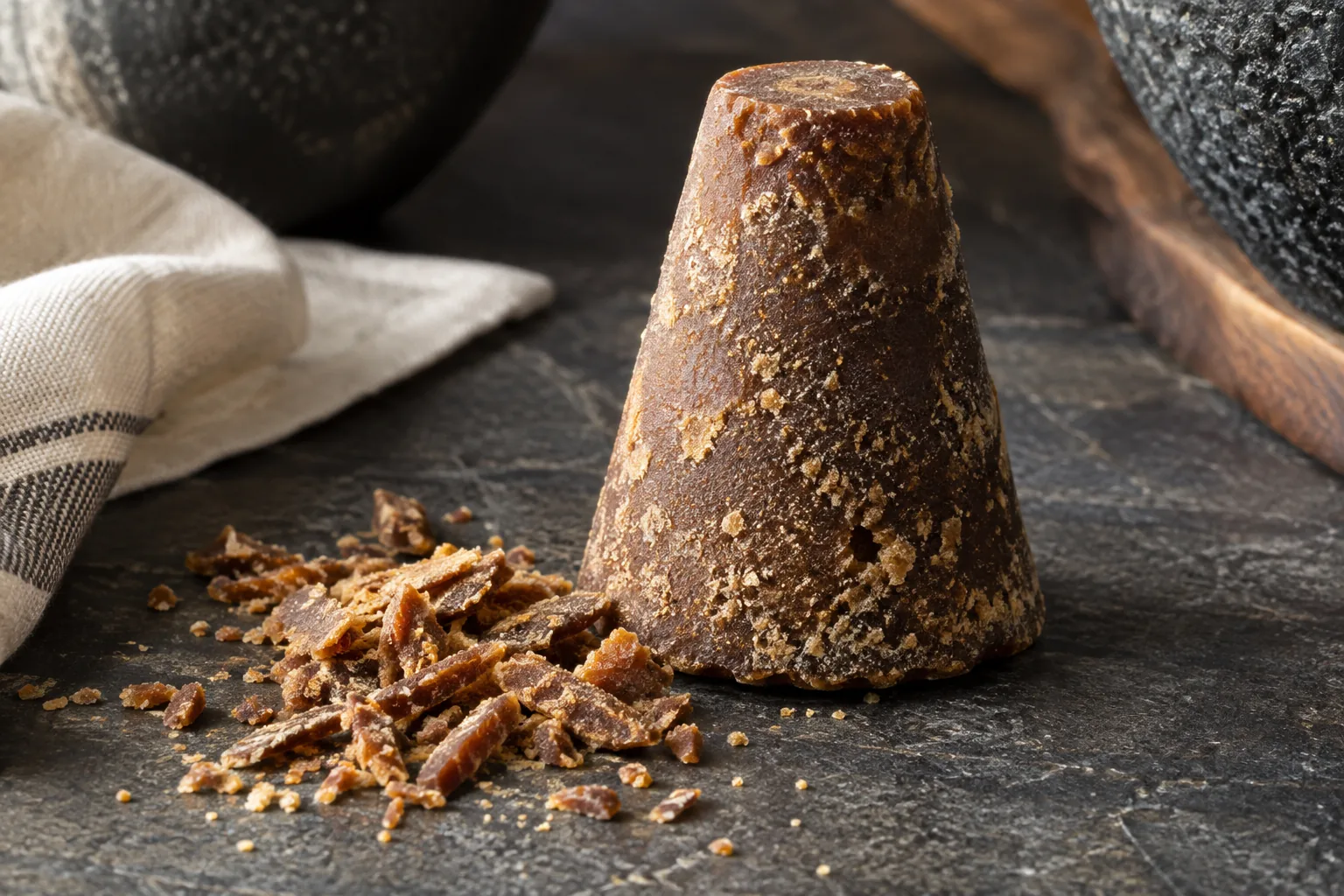
Piloncillo
Unrefined cane sugar commonly sold in a hard cone or block. Grate or dissolve the amount a recipe needs; size, darkness, and flavor vary by producer.
Dry beans and rice belong here too
Start with pinto beans → Once beans are cooked and mashed, the preparation belongs in Kitchen Foundations, not the dry pantry. Dry rice is a pantry staple; cooked Mexican rice is a preparation.
Fresh chiles are in Fresh Produce; meat is in Meat, Poultry & Cuts.
Further reading: Oregon State University on poblano, ancho, and pasilla; Utah State University on dried chile storage. The linked ingredient profiles provide additional source notes.