The Border Table
Culinary Atlas
Cuisine changes with landscape, migration, trade, memory, and the ingredients close at hand. The atlas makes those relationships visible without forcing a political border to explain every culinary connection.
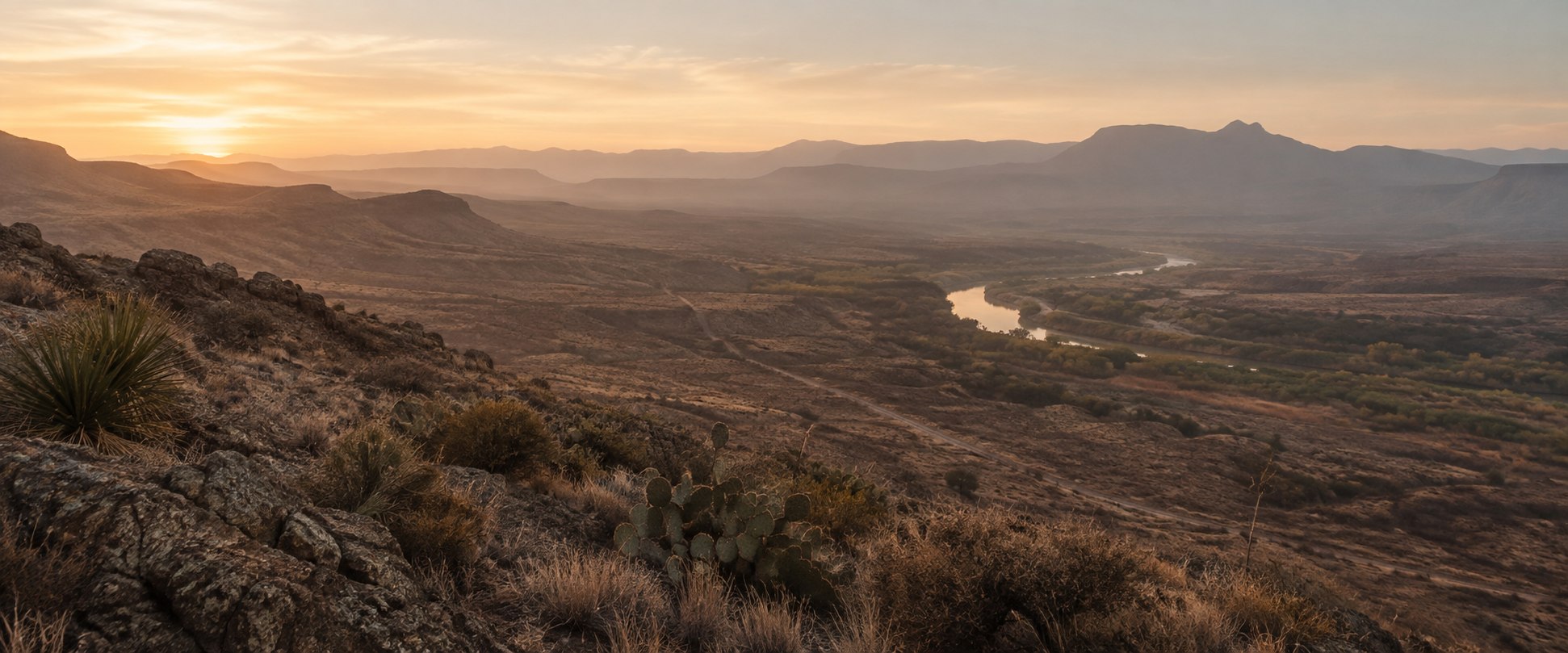
Follow the food between places
A dish can travel, but a place gives it context. Choose an area to follow its documented history, distinctive traditions, and the recipes or stories it helps explain. No place here stands for one uniform menu.
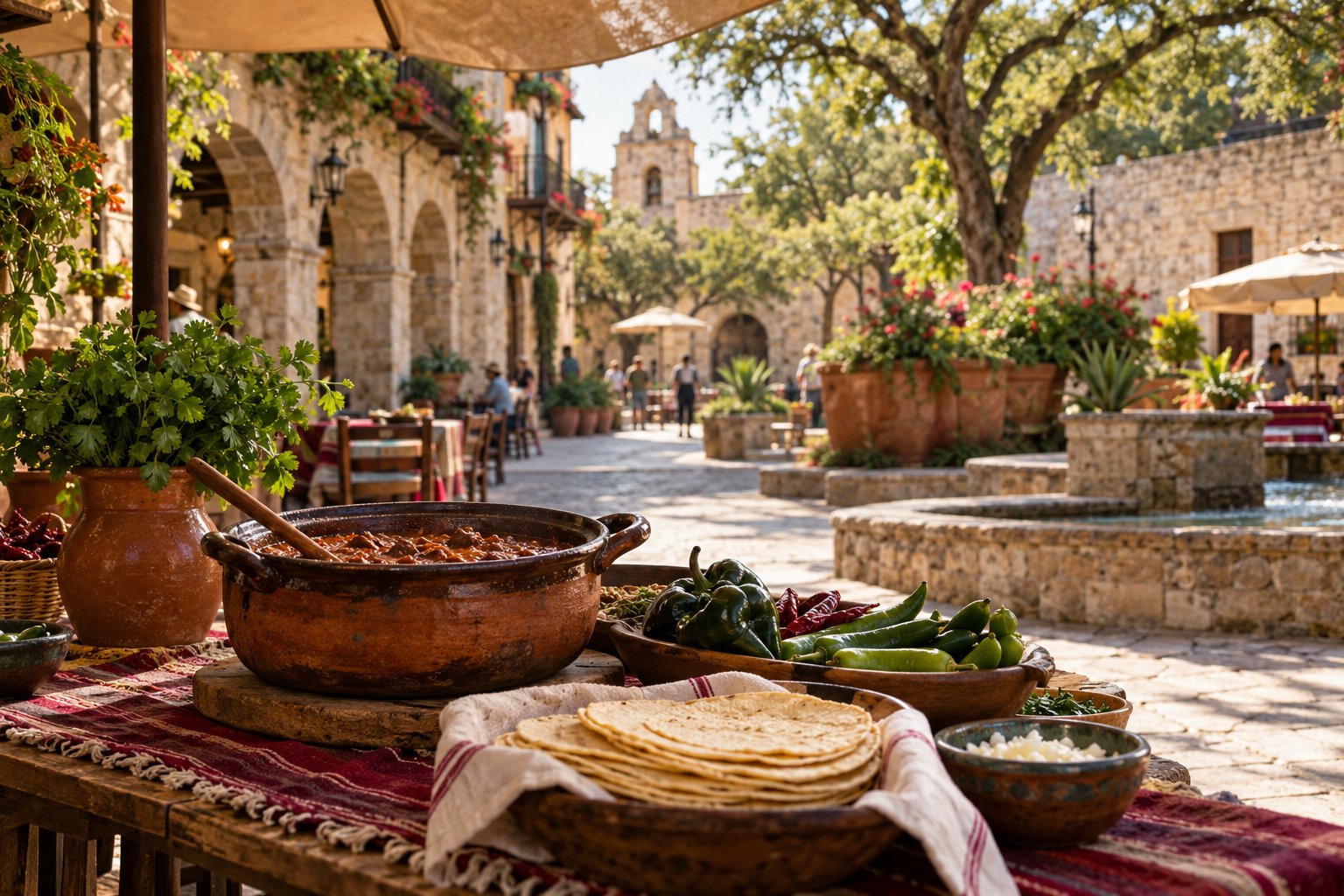
San Antonio
From plaza food sellers to chili powder and restaurant dining, follow several histories that made the city a vital Texas Mexican food center.
Explore San Antonio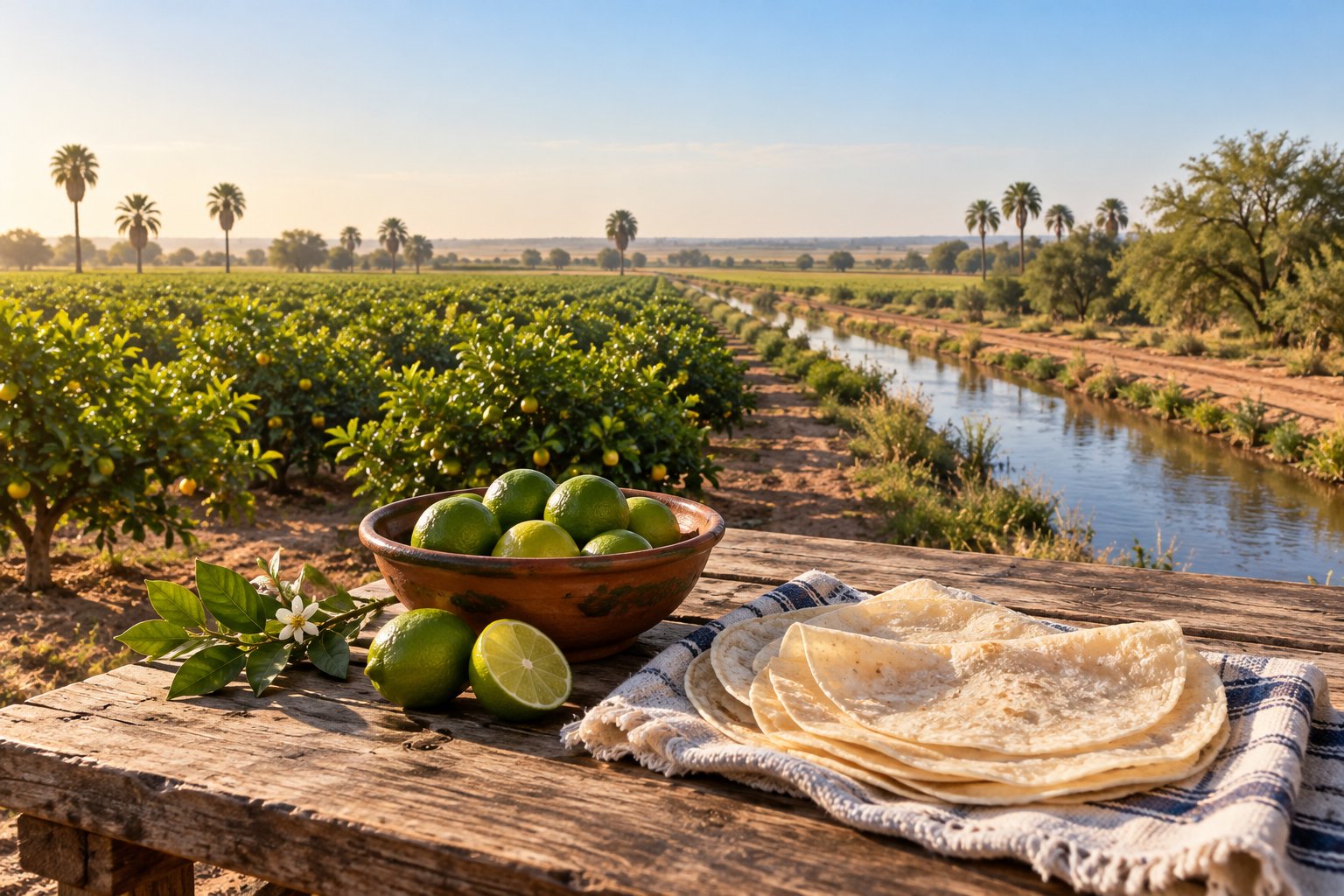
Rio Grande Valley
Ranch country, irrigated fields, cross-border ties, and a remembered lime-and-mesquite fajita table near Pharr.
Explore the Valley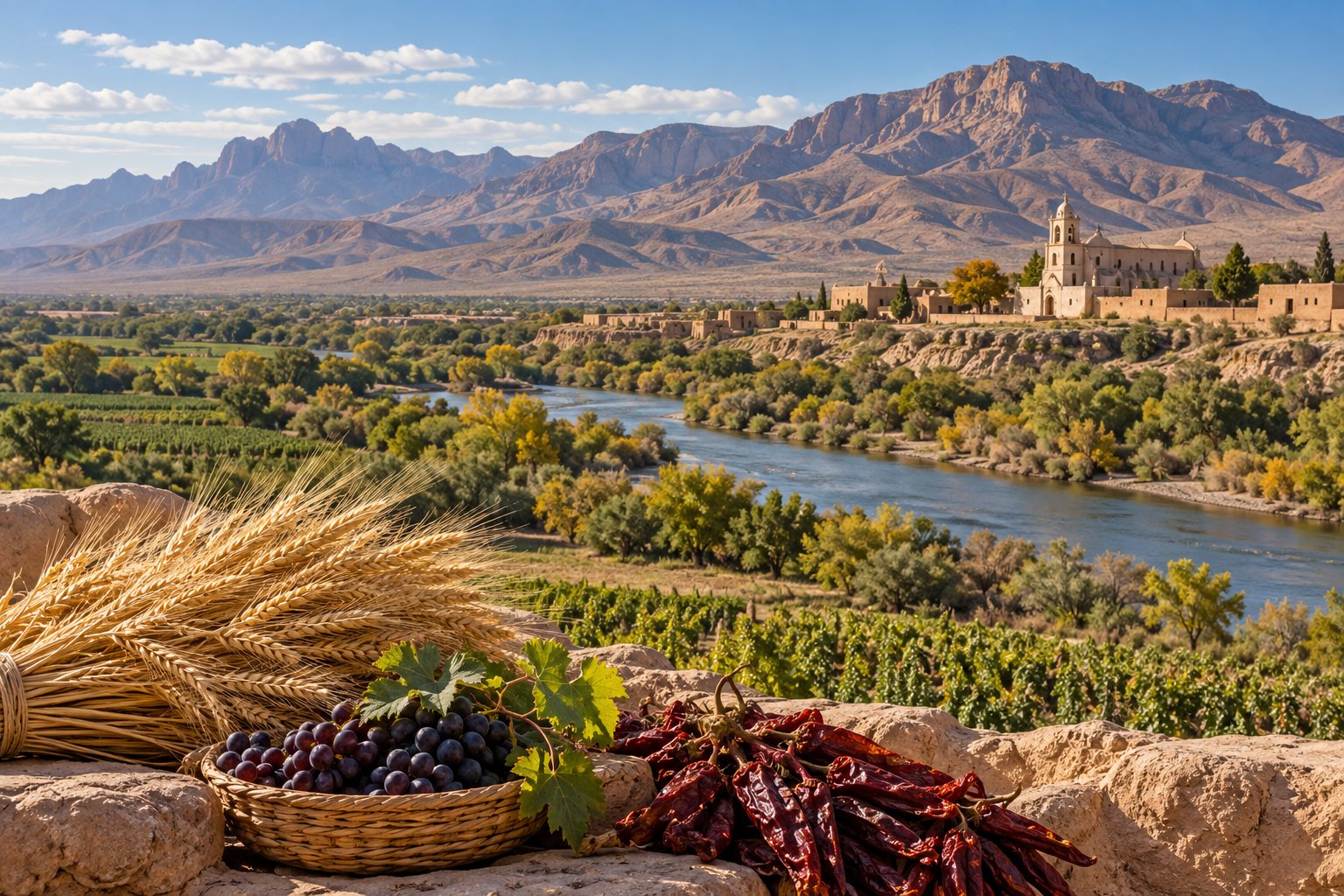
El Paso & Paso del Norte
Read the older river-and-acequia geography that joined communities now divided between El Paso and Ciudad Juárez.
Explore Paso del Norte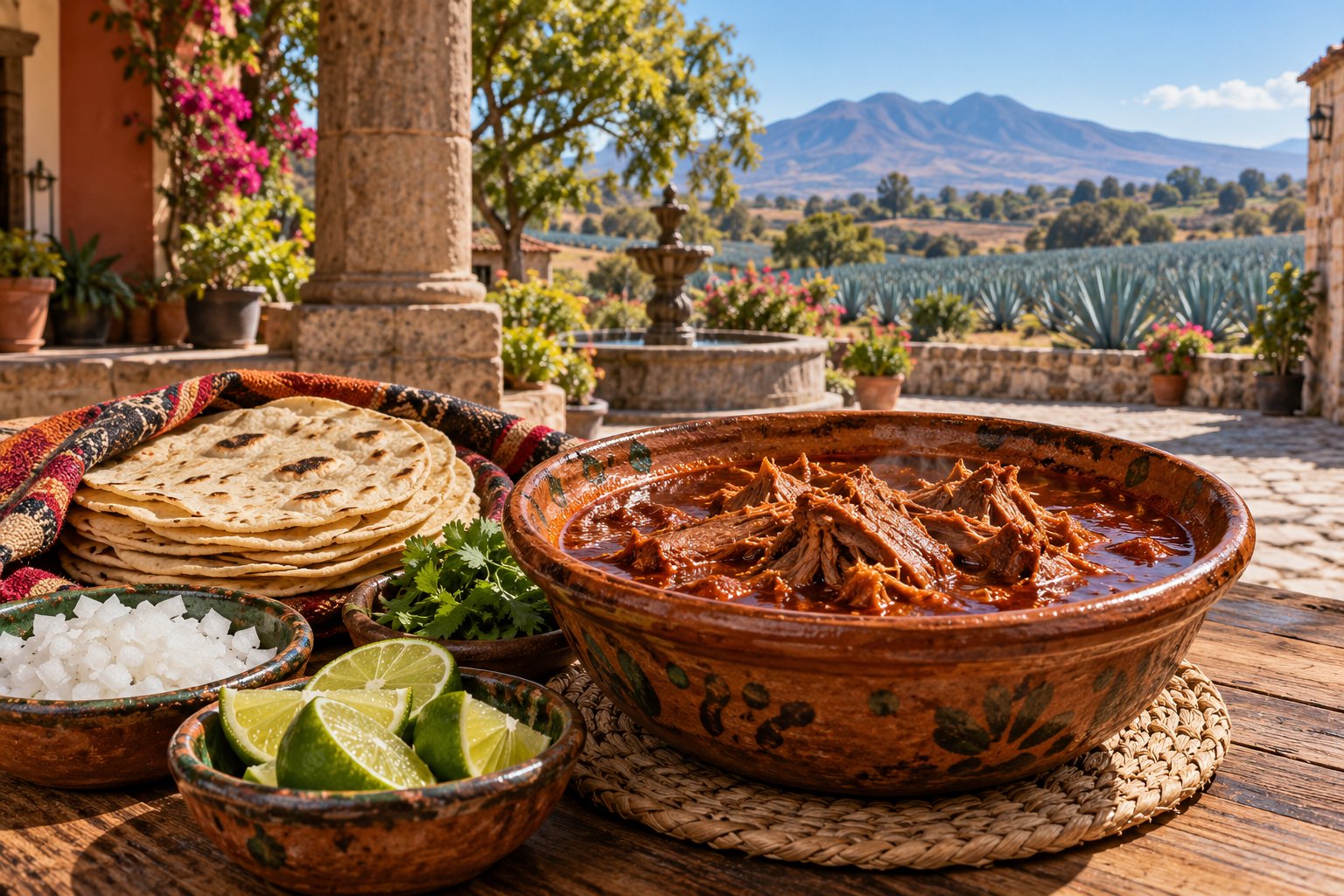
Jalisco
Go beyond a single taco to birria, pozole, tortas ahogadas, and the local differences documented across the state.
Explore Jalisco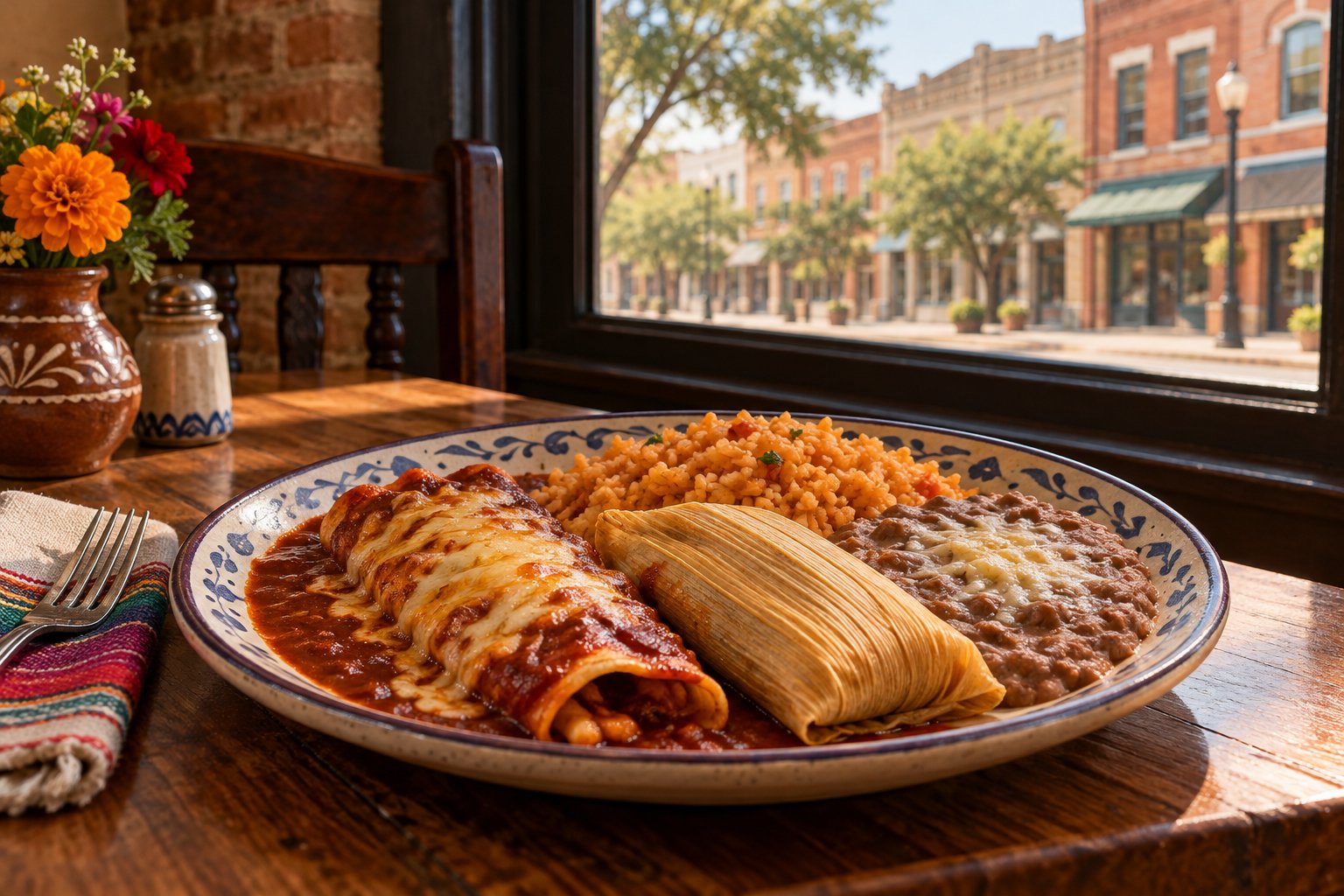
Dallas
Little Mexico, the Martinez family’s restaurant, and the carefully qualified record behind a combination plate.
Explore Dallas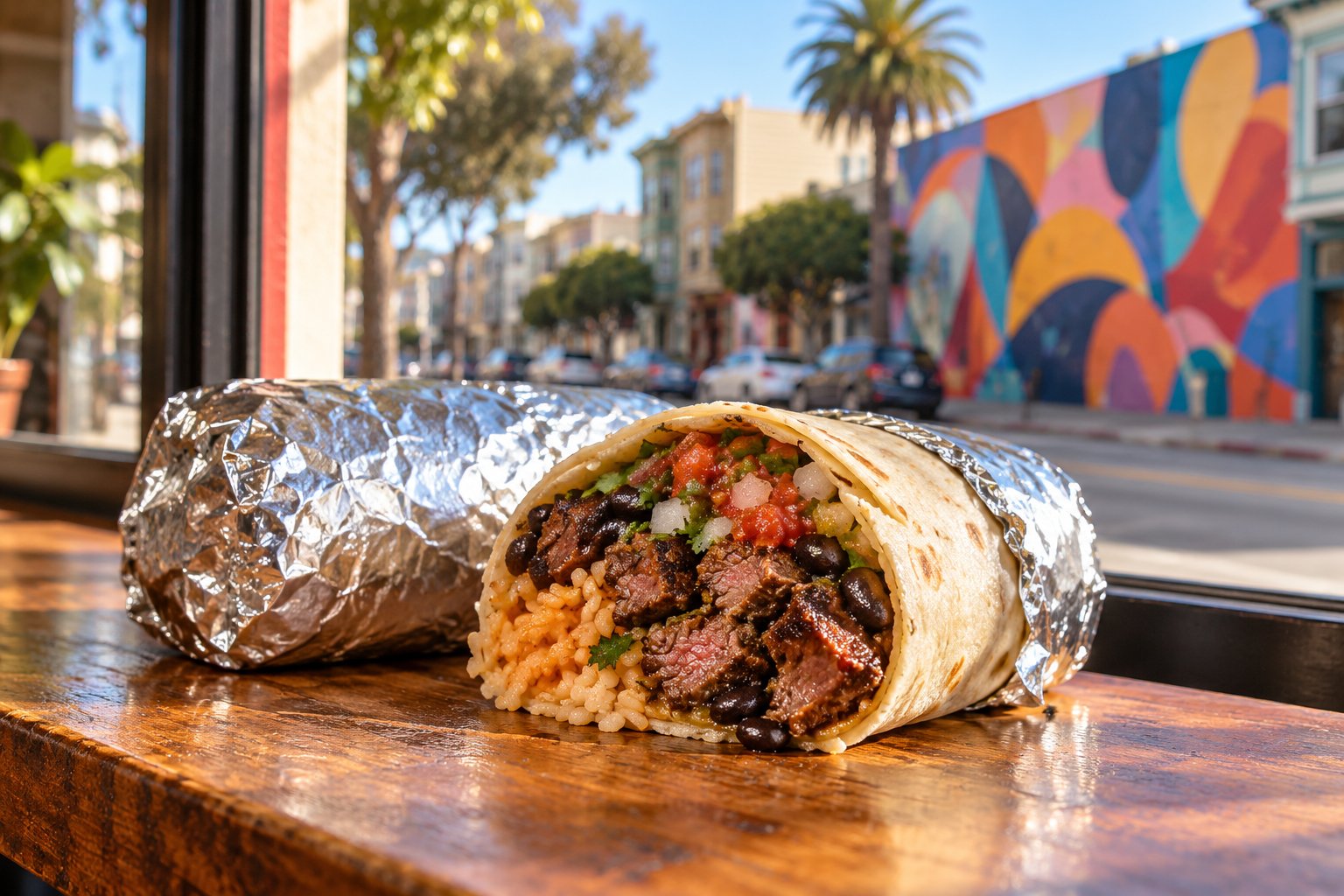
The Mission District
Large foil-wrapped burritos are one story in a neighborhood of many cooks, businesses, and evolving traditions.
Explore the MissionPlace images are AI-generated editorial illustrations, not archival photographs or depictions of specific historical sites.
A northern kitchen word
Norteño means northern. It can orient a reader toward northern Mexico, but it is not the name of one uniform cuisine. When a state, town, cook, or documented source matters, we name that more precisely.