Recipes · The Border Table
Restaurant-Style Salsas
From a smooth roasted-tomato sauce to a bright, freshly chopped pico de gallo, a good table salsa changes the whole meal. Start with the recipe that suits what you are serving.
Cook one today
Salsas ready to make.
Choose a texture first: fresh chopped tomato, smooth roasted tomato, smoky tomatillo, or a briefly cooked sauce. Open a recipe for its chile, acidity and serving method.

Choose by method
Nine salsa styles, and where ours fit
Mexico’s Secretaría de Cultura describes nine familiar serrano-based preparations. Here, verde refers to tomatillo and roja to red tomato. Start with the method, then follow a complete recipe for its amounts and chile.
Salsa verde cruda
Raw tomatillo and chile, ground with fresh aromatics. Choose this style for an uncooked green salsa.
Salsa verde cocida
Tomatillo, chile, and onion cooked in water before grinding.
Salsa verde frita
The ground green mixture is cooked in fat. The overview pairs this style with enchiladas.
Salsa verde asada
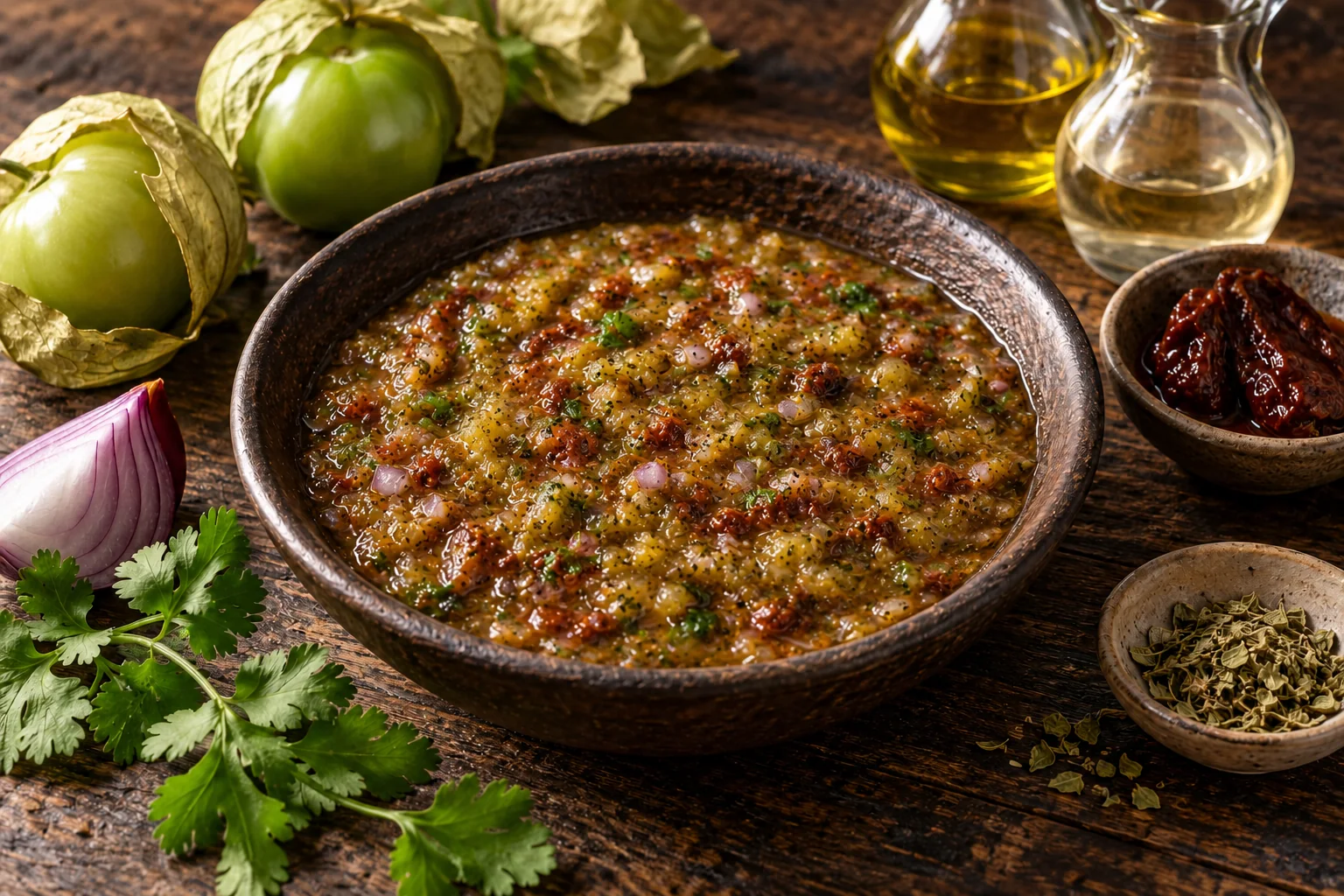
Roasted tomatillo and serrano, ground with onion and garlic. Our Chipotle–Tomatillo Salsa shares roasted tomatillo, with chipotle, softened onion, and a chopped finish of its own.
Salsa mexicana
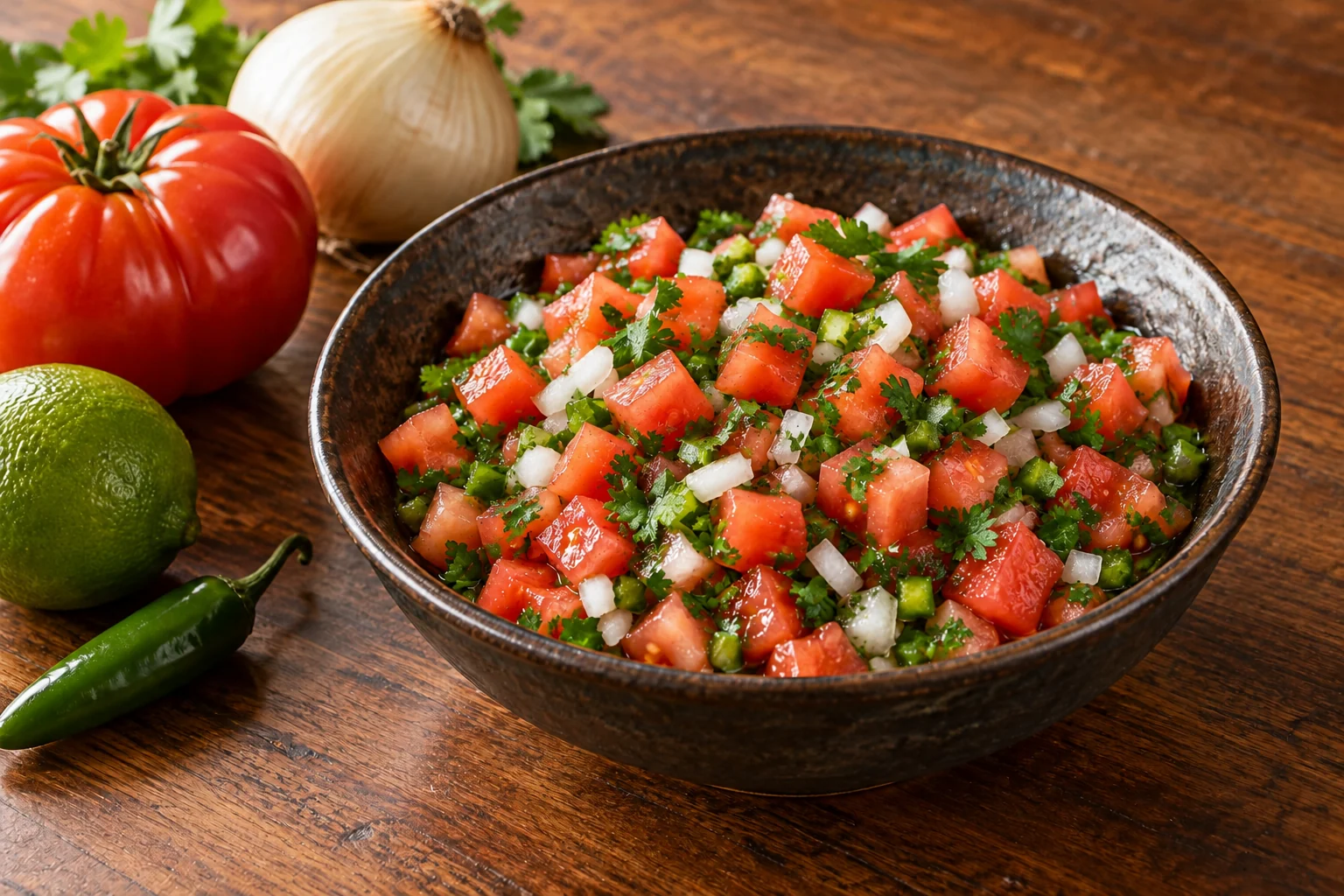
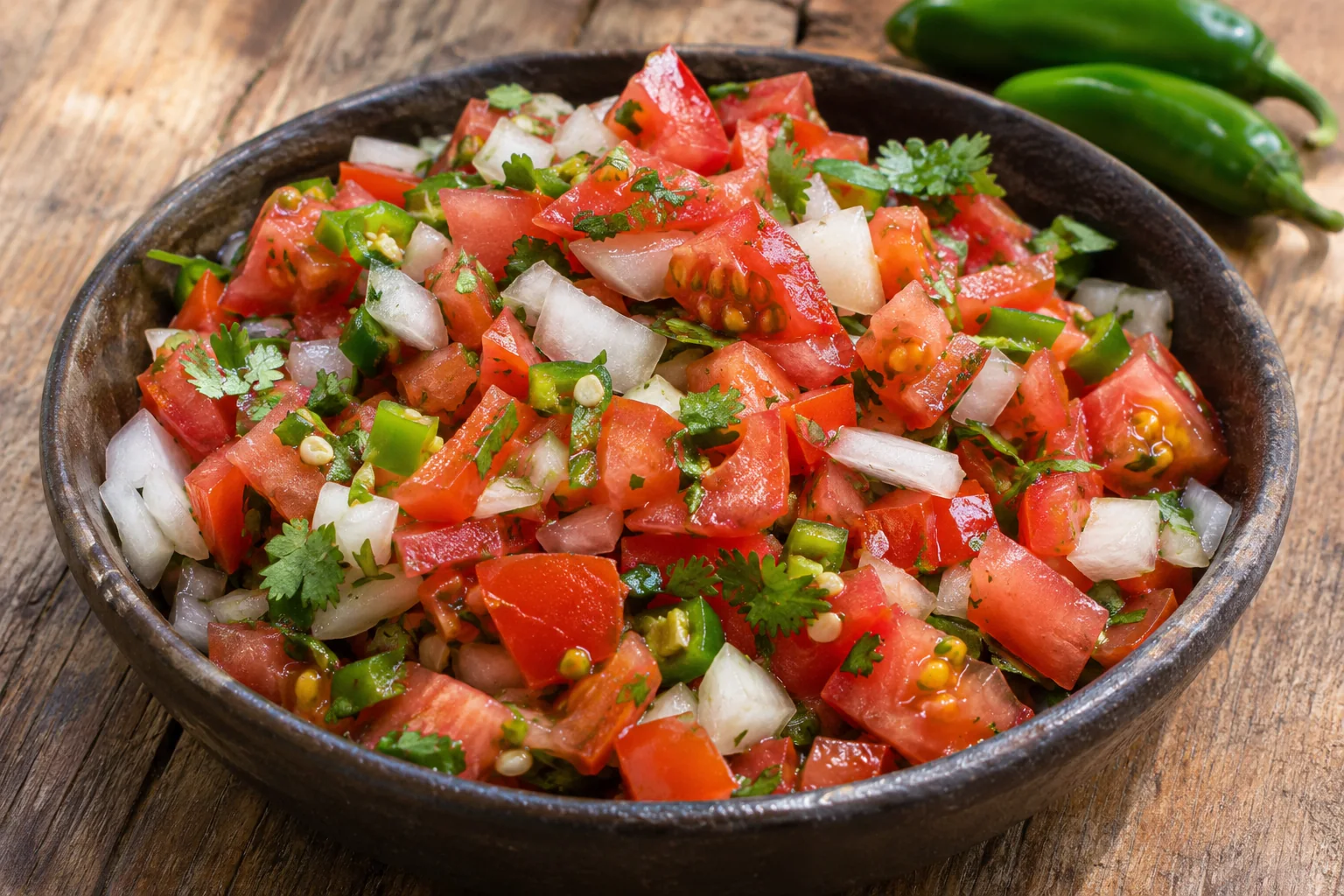
Raw tomato, onion, serrano, and cilantro, all chopped. Our Serrano Pico de Gallo follows this fresh family; Pico de Gallo uses jalapeño and two onions.
Salsa roja cruda
Raw tomato and garlic ground with fresh serrano and dried árbol chile. Grinding gives a different texture from chopped pico.
Salsa roja cocida
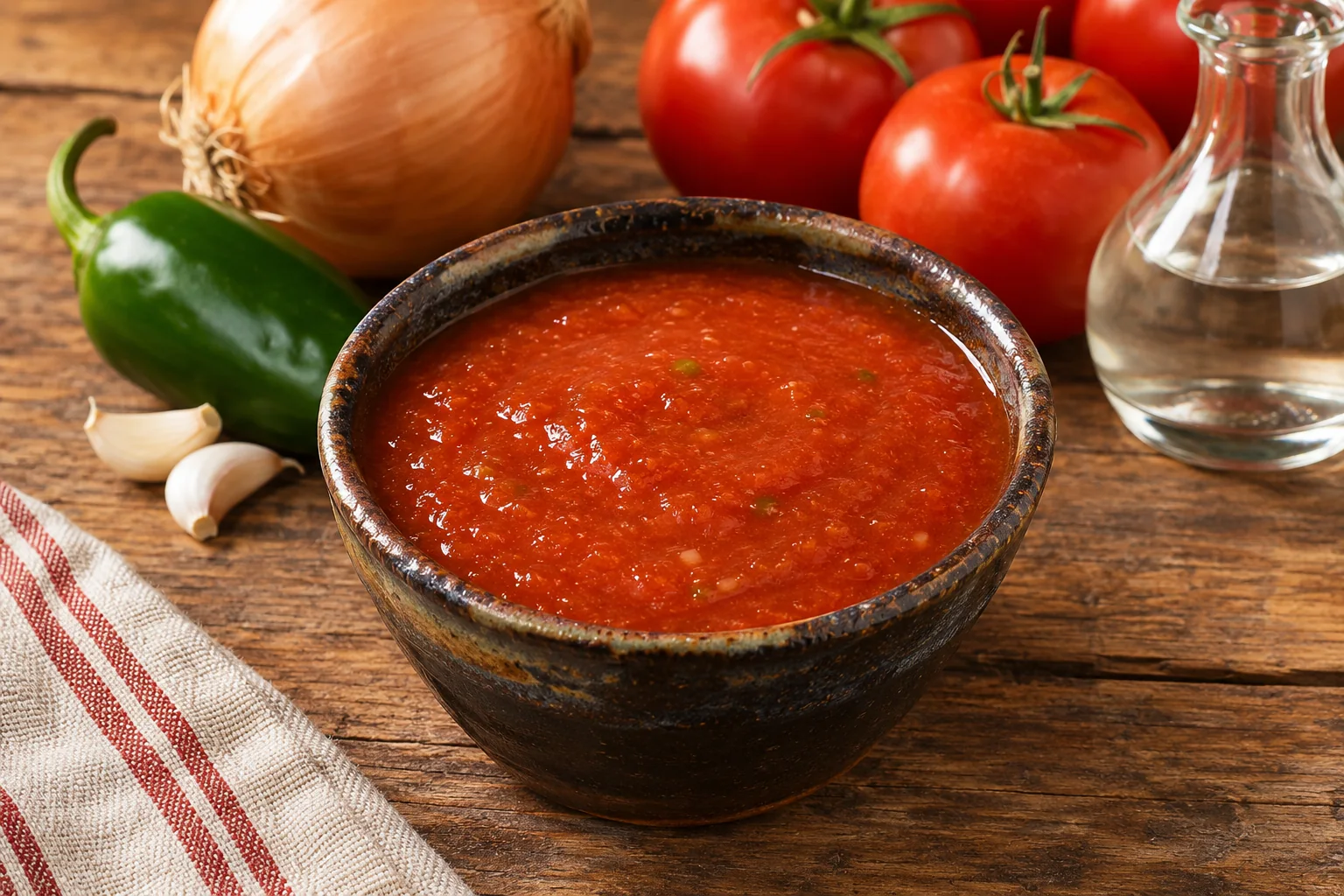
A cooked red-tomato counterpart to green salsa. Our Salsa Picante is a cooked red version with tomato purée, jalapeño, vinegar, and an overnight chill.
Salsa roja frita
Ground tomato and chile added to fried onion. Our Ranchera Sauce offers a related skillet method: soften chopped onion and green chile, then briefly simmer chopped tomato.
Salsa roja asada
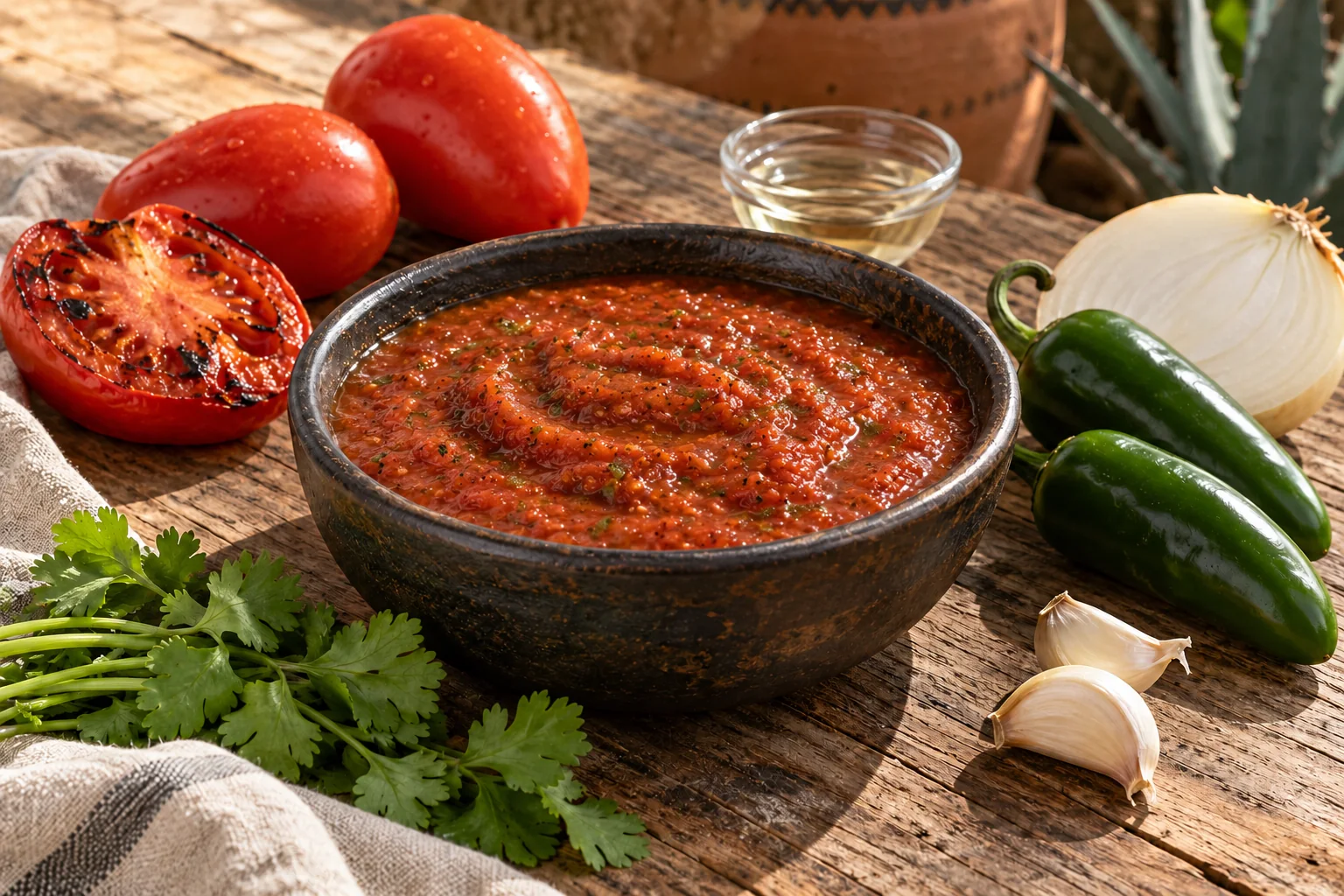
Roasted tomato and chile, ground; some versions are then fried. Our Salsa del Norte broils tomato, then blends it with fresh jalapeño and its other seasonings.
The linked recipes show the particular versions you can make here. Read the Salsa story for the wider history, or the Pico de Gallo story for fresh chopped salsas and regional meanings.
Know what you are choosing
Not every salsa is the same.
Roasting, simmering, chopping, and blending give each one a different texture and job at the table.
Depth from heat
Broiled tomatoes or tomatillos soften before they are blended or chopped.
Brightness and crunch
Pico de gallo stays chopped, crisp, and distinct from a smooth table sauce.
A softer finish
Chiles, aromatics, and liquid are heated together before serving.
Flavor before heat
Different chiles bring different flavors; their names are more useful than a single heat rating.
Read the story behind your choice
The Restaurant-Style Salsa story follows stone grinding, historical cookbooks, fresh and cooked methods, and a Texas commercial chapter. The Guacamole story follows avocado, language, and the texture of a different bowl.
Find tomatillos and fresh chiles, identify chipotle in the form the recipe names, or explore the Rio Grande Valley, Reynosa–Tamaulipas, and San Antonio around the meal.
Explore Pico de Gallo: Fresh Salsa and Regional Tables for a closer look at the chopped tomato bowl, the wider regional name, and the two picos you can make here.


